Why Stadium Food Is So Expensive: The Real Reasons Behind the High Prices
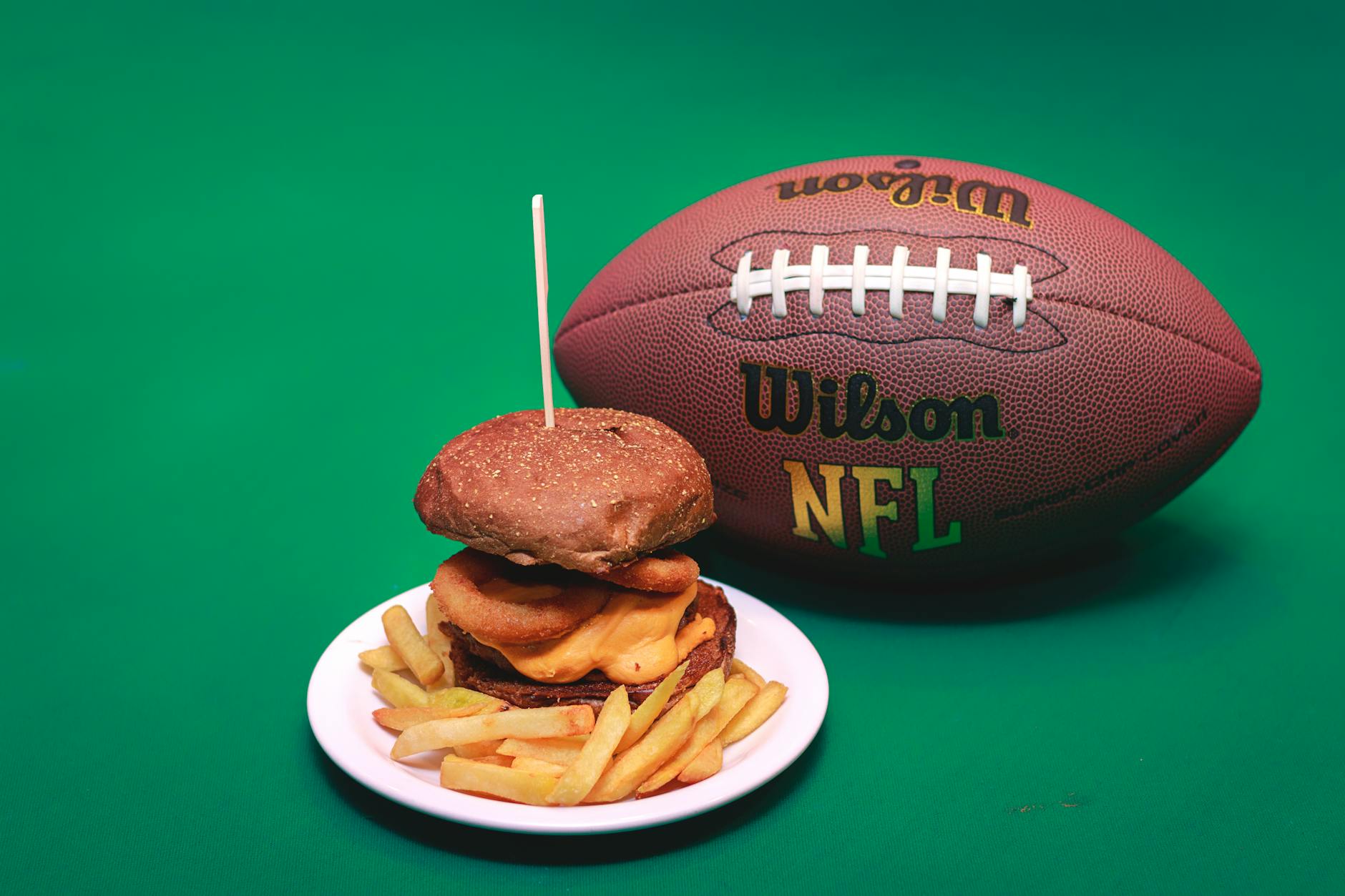
Walking into a stadium on game day, the energy is hard to miss. The roar of the crowd, the smell of fresh-cut grass, the sea of team colors — it all adds up to an experience fans look forward to for weeks. But then comes the moment of truth: you reach for a soda or a hot dog, glance at the price, and do a double-take. Nine dollars for a beer? Fifteen for a burger and fries? It’s enough to make anyone wonder what’s going on.
The truth is, stadium food pricing isn’t just about greed or taking advantage of captive audiences — though that perception is hard to shake. There are real, structural reasons behind those inflated numbers, many of which fans never see. From logistics and labor to licensing and league rules, the economics of feeding tens of thousands of people in a few short hours is surprisingly complex. Let’s break down what’s really driving up the cost of that nacho platter.
The Monopoly Effect
Once you’re inside the gates, your options shrink dramatically. Most stadiums operate under exclusive concession agreements, meaning only one or two vendors are allowed to sell food and drinks throughout the venue. That lack of competition removes any incentive to keep prices low. If you want to eat, you buy from whoever has the contract — no shopping around, no price comparison.
This setup isn’t accidental. Teams and stadium operators often sign long-term deals with major food service companies like Aramark, Compass Group, or Delaware North. These contracts can run for a decade or more and are worth hundreds of millions of dollars. In return for the exclusive right to feed the crowd, the vendor pays the team or stadium authority a significant fee — sometimes a flat rate, sometimes a percentage of sales. That cost gets baked into the menu prices.
It’s a bit like being stuck in an airport after security. You know the sandwich is overpriced, but you’re not exactly going to leave the terminal to find a better deal. The same logic applies inside the stadium walls.
Labor, Logistics, and Last-Minute Demands
Feeding a crowd of 50,000 people in under three hours is a logistical nightmare. Unlike a restaurant that can pace its service over a full day, stadium concessions have to ramp up from zero to full throttle in a matter of hours, then shut down just as fast. That requires a massive temporary workforce, specialized equipment, and a supply chain that can deliver perishable goods fresh and safe — all while dealing with unpredictable weather, game delays, and last-minute crowd surges.
Workers aren’t just flipping burgers. They’re trained in food safety, cash handling, and crowd management, often working long shifts on their feet in hot, noisy environments. Many are part-time or seasonal staff, but they still need to be hired, trained, supervised, and paid — often at premium rates for night and weekend work. Add in overtime, insurance, and compliance with local health regulations, and labor costs climb quickly.
Then there’s the challenge of getting food to the right place at the right time. Stadiums aren’t built like distribution centers. Narrow concourses, limited storage, and strict security protocols make it hard to stockpile inventory. Vendors often rely on just-in-time delivery, which means trucks rolling in hours before kickoff, unloading pallets of buns, condiments, and drinks, and hoping everything stays cold or hot until it’s served. Any disruption — a traffic jam, a broken freezer, a sudden downpour — can throw off the whole operation and increase waste or spoilage, which gets factored into pricing.
Licensing, Leases, and Hidden Fees
Beyond the basic cost of ingredients and labor, stadium food vendors face a layer of expenses most restaurants don’t. For starters, they pay rent — not for a storefront, but for the right to operate inside the venue. That rent can be structured as a flat monthly fee, a percentage of sales, or a combination of both. In some cases, teams take as much as 50 percent of concession revenue as a commission.
Then there are the less obvious charges. Vendors may need to pay for utilities, waste removal, cleaning services, and even security personnel to monitor their stands. Some stadiums require vendors to use specific brands of cups, napkins, or packaging — often sourced through approved suppliers at marked-up prices. Others impose mandatory contributions to marketing funds or stadium improvement accounts.
All of these fees get rolled into the final price of a soda or a pretzel. And because the vendor’s profit margin is already squeezed by the revenue share, they have little choice but to pass those costs along to the consumer.
Limited Competition Keeps Prices High
Even if you’re willing to walk halfway around the stadium for a better deal, you might not find one. In many venues, the same company operates every stand, meaning the price of a soda is the same whether you’re near the 50-yard line or in the upper deck. That uniformity isn’t coincidental — it’s part of the contract. Exclusive agreements often include clauses that prevent price variation, ensuring a consistent (and predictable) revenue stream for both the vendor and the team.
Some cities and states have started to push back. In recent years, a few legislatures have introduced bills aimed at capping concession prices or requiring more transparency in stadium food pricing. The idea is to protect fans from what lawmakers see as exploitative pricing in publicly funded venues. While these efforts haven’t yet led to widespread change, they reflect growing frustration among attendees who feel they’re being nickel-and-dimed just to enjoy a game.
Of course, not all stadiums are the same. Newer venues, especially those built with public-private partnerships, sometimes offer more variety — think local food trucks, pop-up concepts, or partnerships with regional breweries and restaurants. These alternatives can introduce real competition and, in turn, more reasonable prices. But they’re still the exception rather than the rule.
What Fans Can Actually Do
Short of boycotting concession stands entirely — which, let’s be honest, is easier said than done when you’re three hours into a doubleheader and the sun is beating down — there are a few ways to soften the blow. Some teams now allow fans to bring in empty water bottles to fill at fountains, or sealed snacks for medical or dietary needs. Others offer loyalty programs or mobile ordering discounts that shave a few dollars off the total.
Planning ahead helps, too. Eating before you arrive or tailgating in the parking lot can save serious money — and often taste better, too. And if you’re really curious about where your money goes, a few stadiums have started publishing breakdowns of concession costs, showing how much goes to food, labor, fees, and profit. Transparency like that won’t lower the price, but it might make the sting feel a little less arbitrary.
At the end of the day, expensive stadium food is the result of a system built for efficiency, exclusivity, and revenue generation — not affordability. It’s not just about capturing a momentary monopoly on hunger. It’s about the hidden costs of operating at massive scale, under tight time constraints, in a space not really designed for food service at all. Until the economics shift — or fans demand something different — that $14 burger is likely here to stay.