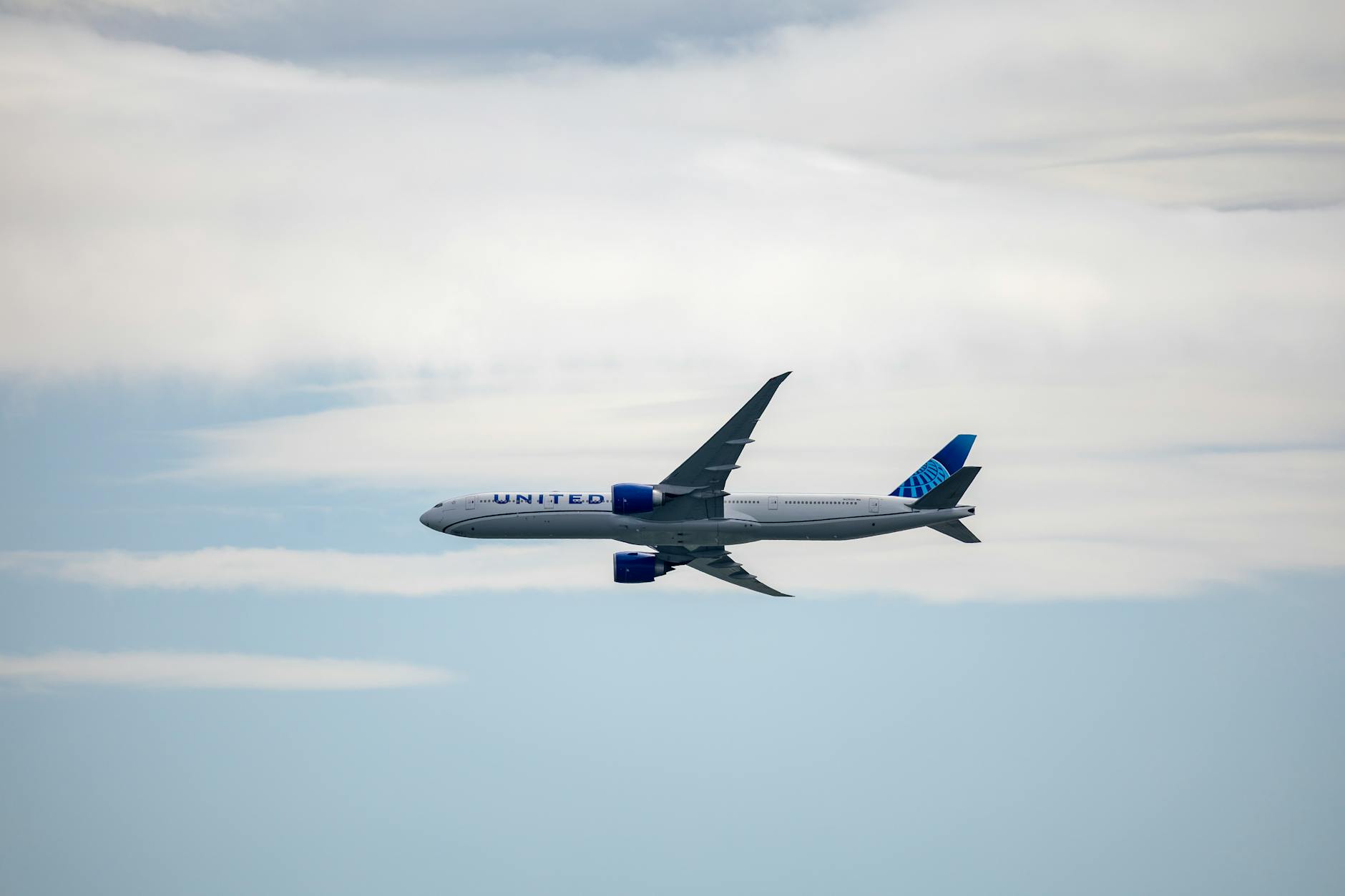
United Airlines Tech Outage Disrupts Flights Nationwide
On a busy Saturday morning, travelers across the United States found themselves staring at departure boards that refused to update. Flights were grounded, connections missed, and plans unraveled as United Airlines grappled with what it described as a widespread technology outage. The disruption wasn’t isolated to one hub or region — reports came in from coast to coast, affecting everything from early morning departures to midday arrivals. While the airline moved quickly to acknowledge the issue, the ripple effects were felt by tens of thousands of passengers trying to get where they needed to go.
How the Outage Unfolded
The airline confirmed that the problem stemmed from an internal system failure, though it did not immediately specify which systems were impacted. What became clear quickly was that the outage touched critical operations — likely including flight planning, crew scheduling, and passenger check-in processes. When these systems falter, even briefly, the entire air travel ecosystem can seize up. Unlike weather-related delays, which often affect specific regions, a technology failure of this scale can halt operations nationally in a matter of minutes. United said teams were working to restore functionality, and by early afternoon, it began reporting a gradual return to normal operations. Still, the backlog of delayed flights and stranded passengers would take hours, if not the rest of the day, to clear.
Travelers Left in the Dark
What made this incident particularly frustrating for travelers was the lack of real-time information. As airport displays froze or showed outdated data, many passengers turned to the airline’s app or website — only to find those platforms sluggish or unresponsive as well. In an era where travelers expect instant updates, the silence from official channels amplified anxiety. Social media filled with photos of crowded gates, long lines at customer service desks, and frustrated passengers sleeping on airport floors. Some shared screenshots of error messages when trying to check in or access boarding passes. Others simply waited, unaware whether their flight would eventually depart or be canceled altogether.
A Pattern of Systemic Failures
This wasn’t the first time a major U.S. carrier has faced a systemic technology failure. In recent years, similar outages have grounded fleets at Delta, Southwest, and American Airlines, each triggering investigations into the resilience of airline IT infrastructure. Modern airlines rely on deeply interconnected systems — some legacy, some cloud-based — that must communicate seamlessly to keep flights moving. When one link in that chain breaks, the consequences cascade fast. Experts point to aging software, insufficient redundancy, and the immense complexity of integrating decades-old platforms with newer digital tools as ongoing vulnerabilities. While airlines invest heavily in customer-facing technology, the back-end systems that run operations often receive less public scrutiny — until they fail.
Safety Was Never at Risk
United emphasized that safety was never compromised during the outage. Aircraft continued to fly under standard procedures, and air traffic control operations remained unaffected. The issue was strictly on the airline’s side of the operational fence, affecting how flights were dispatched, tracked, and managed on the ground. Still, the incident raises questions about preparedness. How quickly can an airline isolate and fix a systemic tech failure? What backup protocols exist when primary systems go dark? And how well do they communicate with passengers during those critical minutes and hours when information is most needed?
Lessons for the Future
By late Saturday, United reported that most flights were back on schedule and apologized for the inconvenience. The airline said it would review the event to prevent recurrence. For passengers, though, the apology came after hours of uncertainty, missed events, and rearranged plans. In an industry where on-time performance is a key metric of reliability, technology failures like this one don’t just disrupt schedules — they erode trust. As air travel continues to grow and systems become more complex, the ability to withstand and recover from digital disruptions will be as important as any mechanical or weather-related challenge. For now, travelers are left hoping that the next time they head to the airport, the screens will work — and the flights will leave on time.