I Let Strangers Clean My Apartment and Cook for Me to Train AI Robots
You know that moment when you’re staring at a sink full of dishes and a floor that hasn’t seen a mop in weeks, and you think, “I wish someone would just… do this for me”? What if I told you that someone did — not for money, not as a favor, but to teach a robot how to be you?
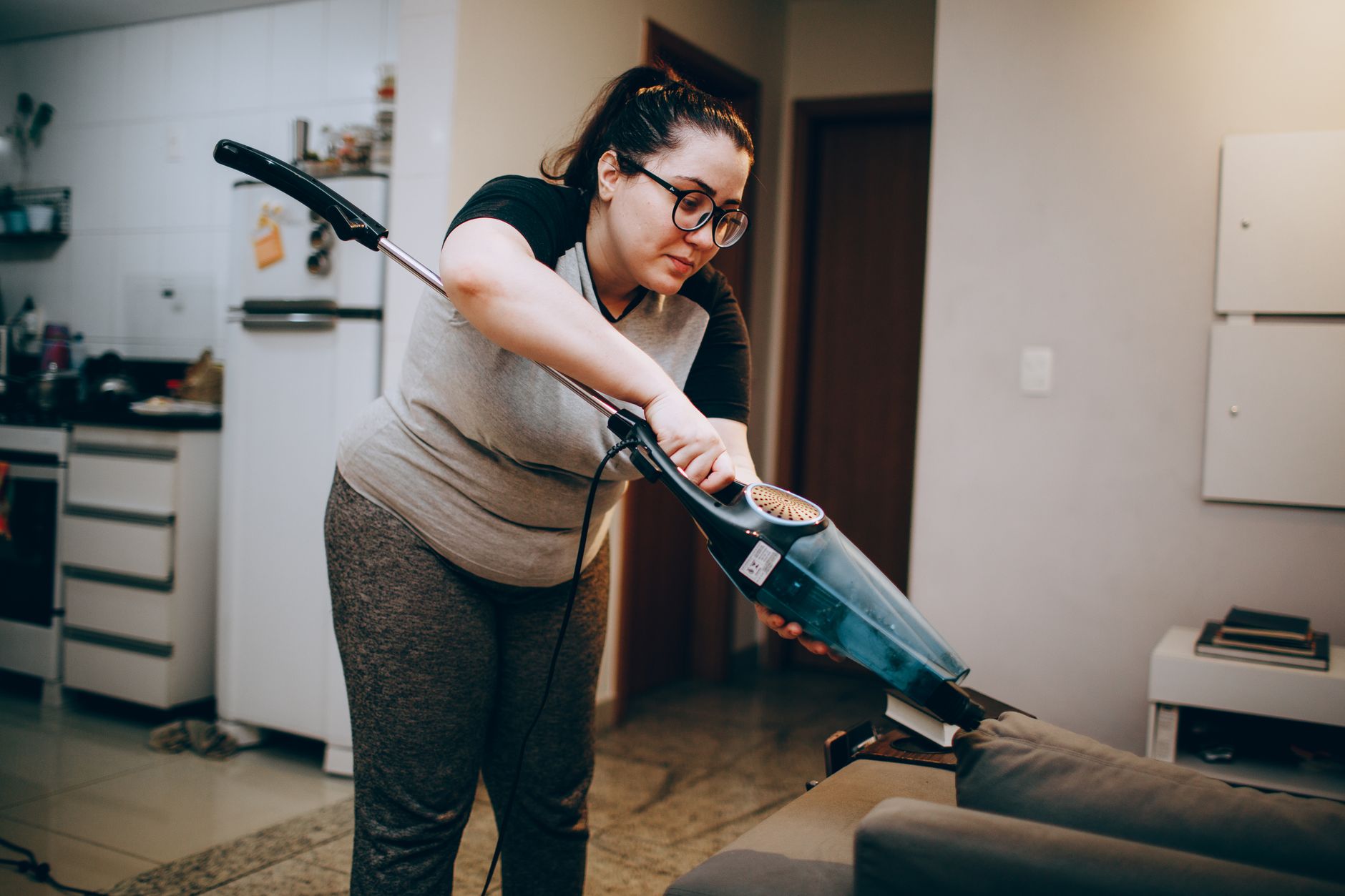
Last week, I invited two strangers into my New York apartment. One wore a lightweight camera rig on their chest while they scrubbed my bathroom tiles and reorganized my chaotic closet. The other, a chef in a white apron, moved through my kitchen with quiet precision, chopping vegetables and simmering a sauce while a second camera captured every wrist flick, spoon stir, and herb sprinkle. They didn’t ask for payment. They didn’t expect a tip. Their compensation? The chance to help train artificial intelligence to understand the messy, nuanced reality of human domestic life.
This wasn’t a weird Airbnb experiment or a reality TV stunt. It was a field test by Shift, a robotics startup building AI models designed to perform everyday household tasks — not in sterile labs, but in the wild, unpredictable environments where real people live. Their goal? To teach robots not just how to clean a counter or stir a pot, but why we do it the way we do: the slight angle of the sponge to avoid streaks, the way we taste as we go, the instinct to wipe a spill before it spreads.
What struck me most wasn’t the technology — though the cameras were sleek and unobtrusive — but the intimacy of the exchange. I wasn’t just outsourcing chores; I was inviting observers into the rhythms of my daily life. The cleaner noticed I keep my spices in alphabetical order (a habit I didn’t even realize I had). The chef paused when he saw I use olive oil instead of butter for sautéing — a detail that, to him, revealed something about my cooking philosophy. These aren’t data points you’d find in a manual. They’re the tacit knowledge that makes human household labor so hard to automate.
Of course, there’s an unease that comes with being watched while you’re at your most mundane. I caught myself straightening up before they arrived, even though I knew they’d see the mess eventually. There’s a vulnerability in letting someone see how you really live — not the curated version for guests, but the lived-in truth. Yet, paradoxically, that’s exactly what the AI needs. Robots trained only on idealized demonstrations will fail the first time they encounter a sticky spatula or a pot boiled dry. The magic happens in the imperfections.
Shift’s approach reflects a broader shift in AI development: moving from simulation to real-world embodiment. Early robot learning relied heavily on virtual environments or scripted demonstrations. But as anyone who’s tried to fold a fitted sheet knows, some skills resist clean translation into code. By capturing natural human behavior — including hesitations, corrections, and workarounds — they’re building models that can adapt, not just replicate.
I’ll admit, I half-expected the experience to feel transactional or creepy. Instead, it left me oddly grateful. Not just for the clean apartment and the delicious meal (which, full disclosure, was genuinely excellent — a herb-infused chicken dish that put my usual weeknight efforts to shame), but for the reminder that even the most routine tasks carry layers of skill and intention. We often overlook the intelligence embedded in scrubbing a pan or timing a boil — until we try to teach it to a machine.
As I ate my chef-prepared dinner, camera lights blinking softly in the corner of the room, I wondered: when the robots finally learn to do this well, will we miss doing it ourselves? Or will we finally be free to spend our time on things that truly matter? For now, I’m just glad my apartment sparkled — and that, in a small way, I helped teach a machine to care about the details.