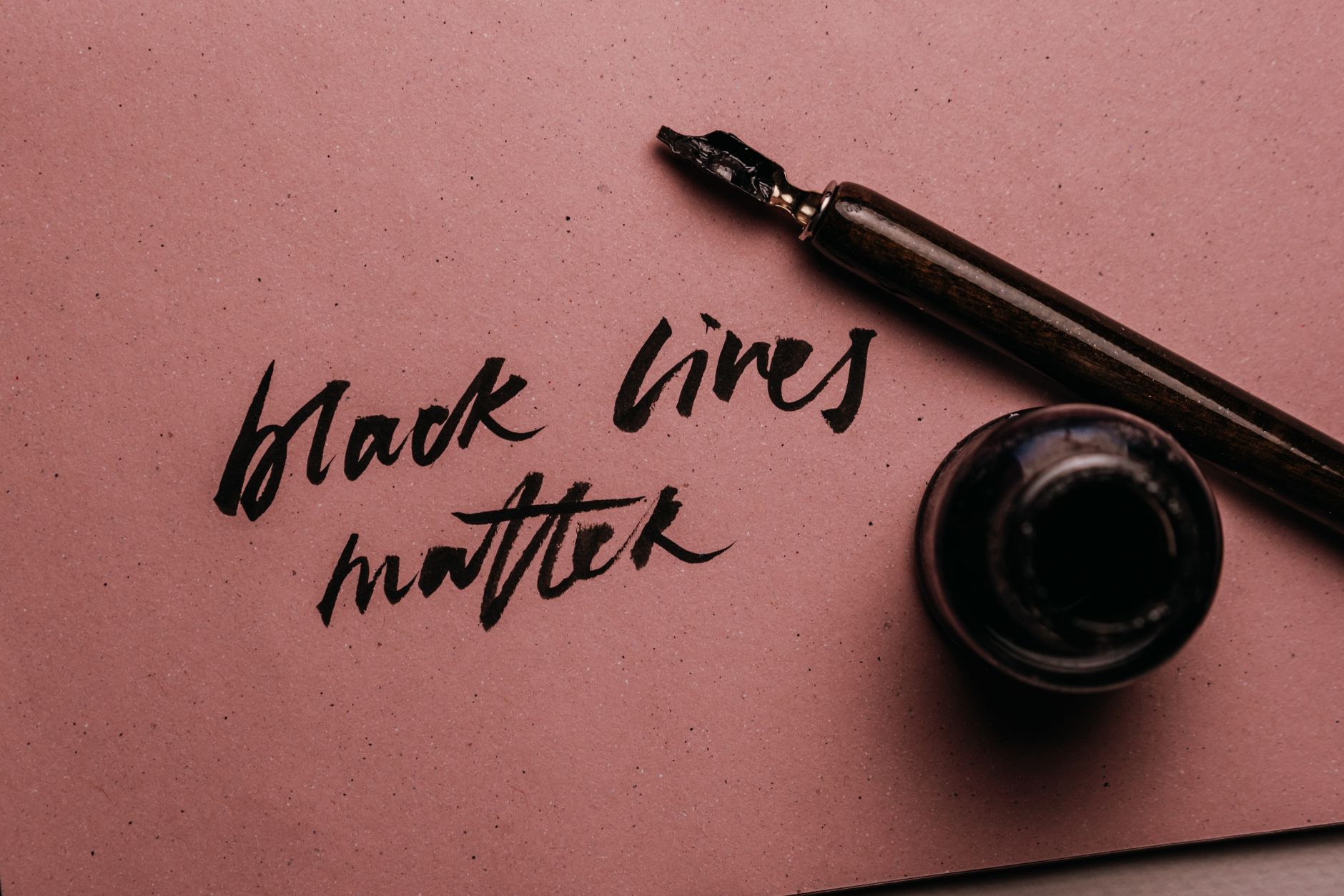
The Quiet Power of Pen and Paper
In a world where typing dominates our work, communication, and even our journaling, the act of writing by hand feels like a small rebellion. But it turns out this old habit isn’t just nostalgic — it might be doing real work inside our heads.
The Brain on Handwriting
Neuroscience has been catching up to what teachers, artists, and journal keepers have sensed for years: the physical act of forming letters by hand engages the brain in ways that typing simply doesn’t. It’s not about legibility or speed. It’s about how the movement shapes cognition.
When you write by hand, your brain is doing more than recalling shapes. Each stroke requires fine motor control, visual feedback, and sequential planning. Areas of the brain associated with learning and memory — like the hippocampus and the prefrontal cortex — light up more intensely during handwriting than during typing. Studies using brain imaging have shown that children who practice writing letters by hand show stronger neural activation in regions tied to reading and writing later on. Adults aren’t exempt from this effect. Taking notes by hand during a lecture or meeting often leads to better conceptual understanding, even if you write fewer words. The slower pace forces you to process, summarize, and rephrase — not just transcribe.
Slowness as a Superpower
This isn’t to say typing is bad. It’s fast, searchable, and essential for modern work. But when the goal is learning, reflection, or creativity, handwriting offers a different kind of cognitive workout. Think of it like the difference between walking and driving. Both get you where you need to go, but walking lets you notice the details along the way.
One reason handwriting sticks in the mind is that it creates a unique spatial memory. When you jot down an idea on a notebook page, you’re not just storing the information — you’re anchoring it to a location. The top left corner, the margin, the smudge near the bottom — these become subtle cues your brain can later use to retrieve the thought. Digital notes, by contrast, often live in a uniform, placeless stream. Scrolling through a document doesn’t trigger the same kind of contextual recall.
A Mindful Pause in a Noisy World
There’s also an emotional dimension. Handwriting slows us down enough to feel the weight of our words. A journal entry written by hand often feels more personal, more honest, than one typed quickly on a laptop. The slight imperfections — a wobbly line, a crossed-out word, a doodle in the margin — aren’t flaws. They’re traces of the thinking process. They make the record feel human.
Some researchers suggest this tactile feedback may even help regulate mood. The rhythmic motion of pen on paper can be meditative, offering a kind of mindfulness that screens rarely provide. In a time when digital overload is linked to anxiety and fragmentation, handwriting offers a quiet counterbalance. It’s not a cure, but it can be a small, daily reset.
Of course, not everyone finds handwriting easy or enjoyable. For people with dysgraphia, arthritis, or other motor challenges, writing by hand can be frustrating or painful. In those cases, the benefits may not outweigh the strain. Technology has given us tools like voice-to-text and adaptive keyboards that can be far more accessible and effective. The point isn’t to abandon progress, but to recognize that different tools serve different purposes — and sometimes, the older one still has value.
Try It Yourself
If you’re curious to test this for yourself, try a simple experiment. For one week, take your meeting notes or daily reflections by hand instead of typing. Use a notebook you like, a pen that feels good in your hand. Don’t worry about neatness. Just write. Then, at the end of the week, flip back through and see what stands out. You might find you remember more. Or you might just enjoy the pause it creates in your day.
Final Thought
The brain thrives on variety. It likes to be challenged in different ways. Handwriting isn’t about rejecting the digital world — it’s about adding a layer of richness to how we think, remember, and feel. In a culture that often equates speed with progress, slowing down to write by hand might be one of the smartest things we can do.