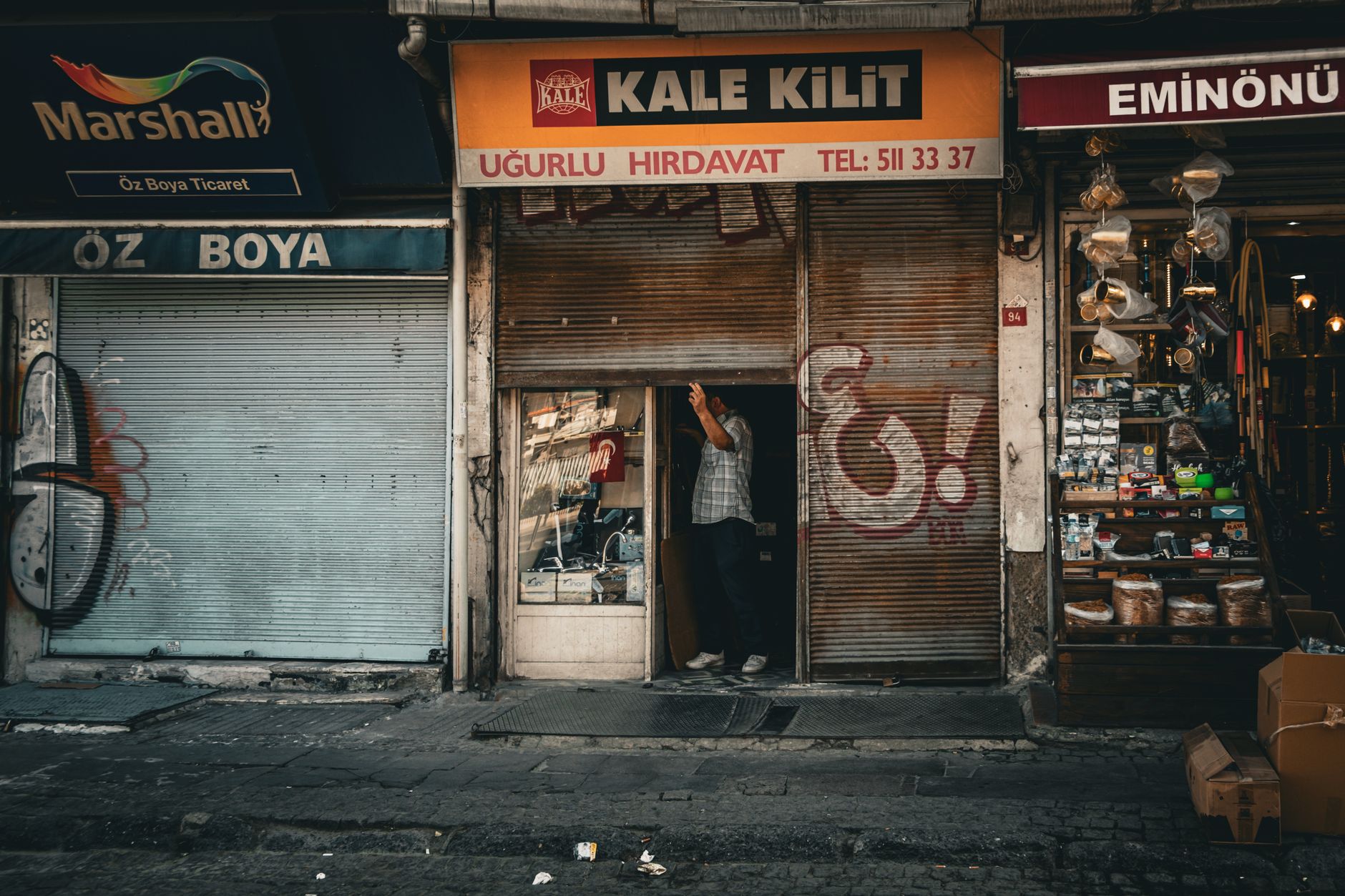
The New Storefront: How Retail Is Rewriting Its Own Rules
Walk through any mid-sized city today and you’ll notice a quiet shift in how retail spaces function. Empty storefronts with "for lease" signs still appear, but alongside them, a new kind of energy is emerging — not just in urban centers, but in suburbs and small towns alike. The traditional rhythm of commerce is being replaced by something more dynamic: stores evolving into community hubs where connection, creativity, and commerce intersect.
This isn’t just about selling products anymore. It’s about creating spaces where people feel they belong — where a visit isn’t just transactional, but meaningful. Retailers are no longer asking only how to move inventory, but how to foster belonging. The old playbook — buy low, stack high, move fast — is giving way to a more human-centered model, one that prioritizes experience as much as product.
From Transactions to Transformation
The shift is subtle but profound. Consumers still value convenience and price, but they’re increasingly drawn to brands that offer something deeper: a reason to step away from their screens and into a physical space. The most successful retailers are responding by transforming their storefronts into destinations that offer more than merchandise — they offer moments.
Consider the bookstore that doubles as a coffee roastery, where morning brews are paired with author readings. Or the clothing shop that hosts weekend repair workshops, teaching customers how to mend what they love. These aren’t gimmicks; they’re intentional efforts to build community, turning commerce into conversation.
This evolution isn’t confined to boutique neighborhoods. It’s spreading to gas stations with local art on the walls, hardware stores offering free weekend DIY clinics, and grocery stores turning parking lots into farmers’ markets on weekends. The storefront is becoming a stage — not for sales alone, but for storytelling, education, and connection.
Franchises Reimagined
Even traditionally rigid franchise models are adapting. Once defined by uniformity, many franchise systems are now encouraging local ownership and customization. A sandwich chain might let one location experiment with seasonal ingredients from nearby farms, while another hosts trivia nights or partners with a local brewery for pop-up events.
This flexibility isn’t just about menu changes — it’s about redefining brand identity. The most resilient franchises are those that allow for regional expression without losing brand essence. A KFC in one city might host jazz nights, while another supports youth sports teams. The core product remains, but the experience reflects local culture.
This shift empowers entrepreneurs within larger systems to act like community stewards rather than just operators. It also strengthens customer loyalty, as people are more likely to support a brand that feels rooted in their neighborhood.
Technology as an Enabler
While digital innovation often takes center stage, some of the most impactful changes in retail are happening behind the scenes. Modern inventory systems, cloud-based scheduling, and simplified e-commerce integrations are giving small retailers back time — time that can be reinvested in customer relationships.
These tools reduce administrative burdens, allowing owners to focus on what matters: remembering a customer’s name, fixing a broken zipper, or simply being present on the floor. When technology serves the human element rather than replacing it, retail becomes more sustainable and authentic.
Still, tech isn’t a cure-all. Over-investing in flashy features without a clear purpose can alienate customers. The most effective innovations are those that solve real problems — like reducing wait times or making returns easier — without sacrificing warmth or personal touch.
The Power of Authenticity
Not every experiment succeeds. Some stores try to be everything at once, diluting their message. Others adopt trends that feel disconnected from their core identity — a tire shop hosting yoga classes, for example, may struggle to justify the shift unless there’s a genuine alignment with wellness or community care.
Authenticity emerges as the guiding principle. When a store leans into what it already does well — whether that’s expertise, passion, or neighborhood presence — and builds upon it, the result feels natural, not forced. A pet store that partners with local shelters for adoption events isn’t performing; it’s living its values.
The Future of the Storefront
The physical store isn’t disappearing — it’s evolving. In an era where online shopping dominates, the storefront’s role is being redefined. It’s no longer just a point of sale, but a point of connection. The most resilient retailers understand that people don’t just want to buy things — they want to belong.
As economic pressures persist and digital convenience remains strong, the stores that thrive will be those that listen closely to their communities, adapt with intention, and recognize that commerce can be an act of care. The new storefront isn’t just a place to shop. It’s a place to be seen, to engage, and to feel at home.
And in that shift, retail may be rediscovering something timeless: the idea that commerce, at its best, isn’t just about transactions. It’s about community.