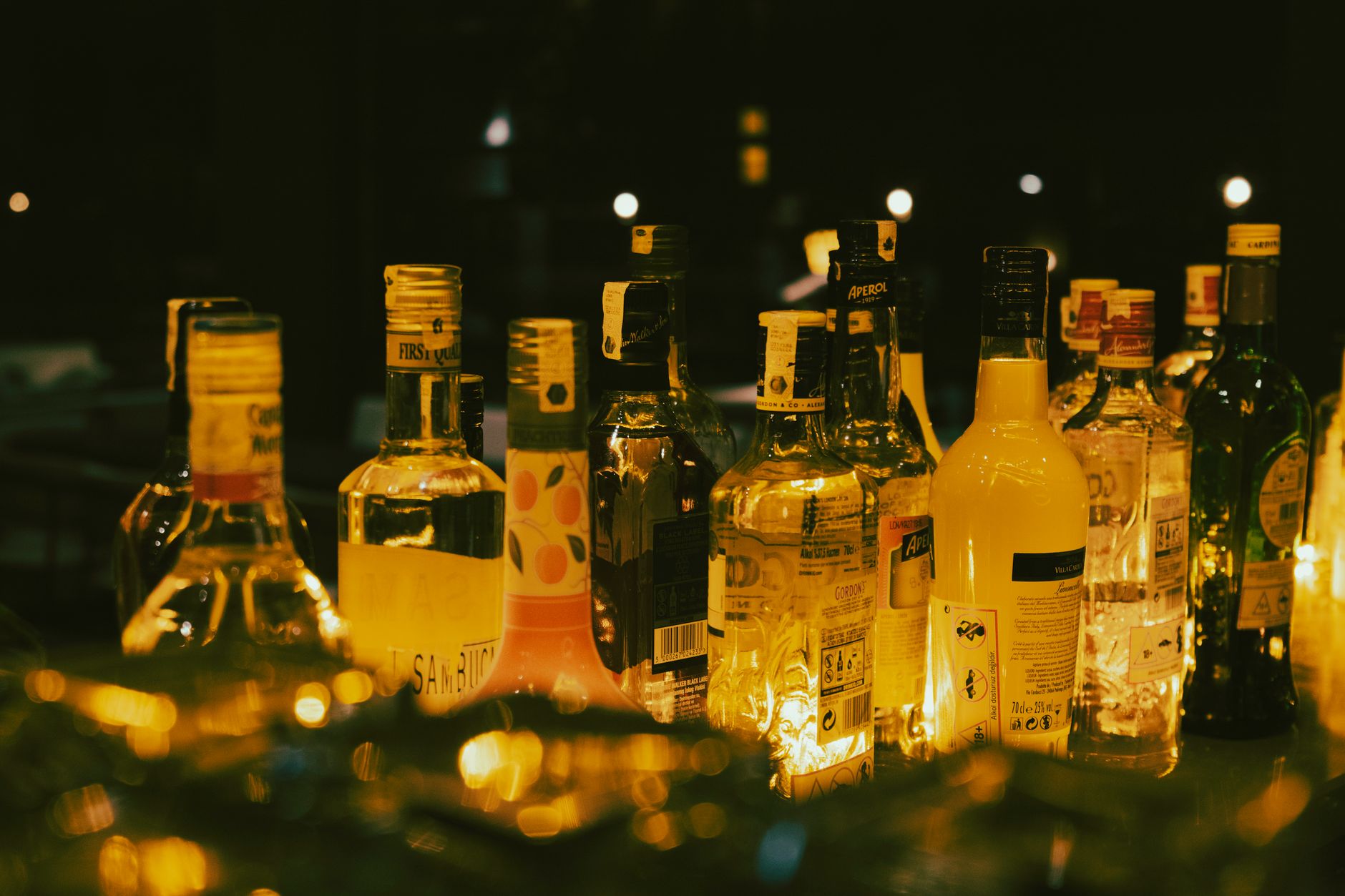
Gen Z Reclaims the Night: Alcohol Returns as a Social Staple
For years, Gen Z was seen as the generation that might finally break alcohol’s grip on social culture. Fueled by wellness movements, mental health advocacy, and a deep skepticism of traditional norms, young adults embraced sobriety experiments like Dry January and promoted mindful drinking as part of a broader pursuit of balance. Headlines celebrated a new era of ‘sober curiosity,’ where alcohol was increasingly viewed with suspicion, especially among younger teens.
But recent data tells a different story. Far from abandoning alcohol altogether, Gen Z is redefining its relationship with drinking—not by rejecting it, but by reshaping how, when, and why it’s consumed. The shift isn’t a reversal, but an evolution: alcohol is no longer a forbidden indulgence or a symbol of rebellion, but a normalized, situational part of social life.
The Myth of the Alcohol-Averse Generation
Early assumptions painted Gen Z as a teetotaling cohort, prioritizing health, sustainability, and authenticity above all else. Social media amplified this narrative, with influencers and wellness campaigns promoting everything from adaptogenic mocktails to alcohol-free social events. The rise of zero-proof brands and the popularity of terms like ‘sober curious’ suggested that drinking was on its way out for young adults.
Yet as the oldest members of Gen Z enter their mid-twenties, life transitions are reshaping social dynamics. With greater financial independence, career stability, and expanded social circles, the desire for connection has grown stronger. And with it, so has the return of alcohol as a social lubricant—not as a default, but as a deliberate choice.
Why the Shift? Aging, Experience, and Intentionality
One of the most significant factors behind the resurgence is simply age. As Gen Z moves beyond college parties and dorm-room gatherings, their social environments have evolved. Networking events, work happy hours, and weekend outings with friends now take place in bars, restaurants, and outdoor lounges where drinking is part of the backdrop.
The pandemic also played a pivotal role. Years of isolation meant missed milestones—first jobs, first dates, first group trips—all deferred or canceled. When restrictions lifted, there was a collective urge to make up for lost time, and alcohol became part of that re-engagement. The result? A surge in social drinking that wasn’t about excess, but about reconnection.
Moreover, many Gen Zers are adopting a more nuanced approach to wellness. They’re not rejecting health practices—they’re layering them into daily life. Morning yoga, plant-based diets, and digital detoxes coexist with a glass of wine at dinner or a craft beer during a game night. For many, this isn’t hypocrisy; it’s balance. As one 24-year-old put it, ‘I track my sleep and meal prep, but I also want to enjoy a cocktail with my friends. Why can’t both be valid?’
How Brands Are Responding
Alcohol companies have taken notice. What was once a market focused on low- and no-alcohol alternatives is now pivoting back toward flavor, quality, and experience. Brands are introducing bolder products tailored to younger tastes—think hard seltzers made with real fruit, canned cocktails with premium spirits, and craft beer collaborations with indie musicians and artists.
Marketing strategies have also evolved. Instead of promoting abstinence or moderation as the only responsible path, campaigns now emphasize celebration, authenticity, and shared moments. Messaging centers on connection: ‘Drink with your people,’ ‘Celebrate small wins,’ or ‘The night tastes better with friends.’ This shift reflects a deeper understanding of Gen Z’s values—community, self-expression, and intentionality.
Retailers are adapting too. Convenience stores and supermarkets are expanding their alcoholic offerings, with private-label brands adding more wines, beers, and ready-to-drink beverages to meet demand. In-store tastings, curated six-pack bundles, and weekend promotions targeted at young adults are becoming common. Online alcohol delivery platforms report increased order volumes from urban and college-adjacent zip codes, especially around weekends and major events like sports games or music festivals.
A New Kind of Moderation
Despite the return of drinking, Gen Z isn’t reverting to past patterns of consumption. Instead, they’re practicing a form of mindful indulgence—choosing when to drink, what to drink, and why. For many, alcohol is situational: a glass of wine with dinner during the week, a beer after a hike, or a cocktail at a birthday celebration.
This intentionality sets the current trend apart from earlier generations. Where Baby Boomers might drink out of habit, and Millennials experimented with trends like craft beer or natural wine, Gen Z approaches alcohol with a critical eye. They question social norms, read labels, and consider environmental impact. They’re more likely to support organic, sustainable, or low-sugar options—and they expect transparency from brands.
Yet they’re not abstaining. They’re curating. And that curation extends to social settings. Drinking isn’t about getting drunk; it’s about enhancing a moment. It’s the clink of glasses during a toast, the shared pitcher at a rooftop bar, or the ritual of unwinding with a favorite beverage after a long week.
Looking Ahead: The Future of Alcohol and Gen Z
The alcohol industry will need to keep evolving to stay relevant. Gen Z values authenticity, so brands that overpromise or engage in greenwashing won’t last. Instead, success will go to companies that offer quality, sustainability, and honest communication—especially around ingredients, sourcing, and health impacts.
Expect to see more innovation in packaging, with eco-friendly materials gaining traction. Labeling will likely become more detailed, highlighting sugar content, alcohol by volume, and even carbon footprint. And as long as wellness remains a priority, low- and no-alcohol options will continue to play a role—even if they’re no longer the center of the conversation.
Ultimately, Gen Z isn’t rejecting alcohol, nor are they embracing it uncritically. They’re integrating it into a broader philosophy of balance—one that honors both self-care and social joy. The era of alcohol isn’t ending; it’s maturing. And for the first time, it’s being shaped by a generation that refuses to choose between health and happiness, tradition and transformation.
The message is clear: alcohol isn’t just back—it’s here to stay, on Gen Z’s terms.