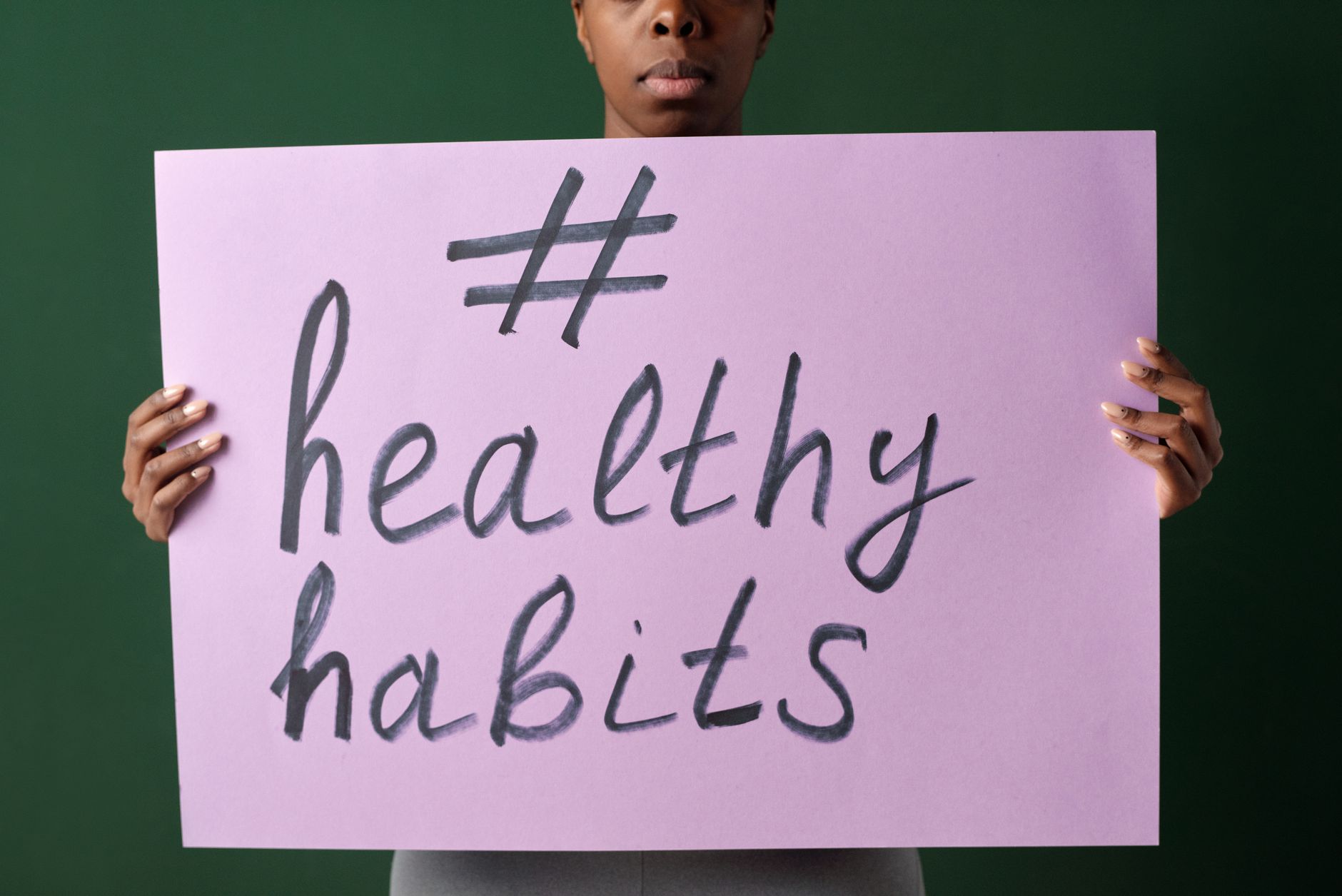
10 Essential Habits Every Freshman Should Master Before Midterms
Walking into a college classroom for the first time feels like stepping onto a stage without a script. You’ve got the notebook, the syllabus, maybe a slightly-too-big backpack, and a head full of questions no one bothered to answer. Over ten years of teaching freshmen — and raising four kids of my own — I’ve seen the same patterns repeat. The students who thrive aren’t always the ones with the highest SAT scores or the most polished applications. They’re the ones who showed up with a few quiet habits already in place. These aren’t secrets. They’re just things no one thinks to tell you until you’re already struggling.
Learn How to Learn, Not Just What to Learn
The biggest shock for many freshmen isn’t the difficulty of the material — it’s realizing that high school study habits don’t cut it anymore. In college, you’re not being tested on whether you can memorize a definition or regurgitate a lecture. You’re being asked to think, to connect ideas, to apply concepts in new contexts. That means passive reading and last-minute cramming won’t get you far.
What works instead? Active engagement. Try explaining a concept out loud as if you’re teaching it to a friend who missed class. Sketch diagrams from memory. Turn your notes into questions you try to answer later. If you can’t do it without looking, you don’t know it yet. This kind of effort feels slower at first, but it builds real understanding — the kind that sticks when finals roll around and helps you in courses you haven’t even taken yet.
Start small. Pick one class each week and test yourself on the material before checking your notes. You’ll be surprised how quickly you spot the gaps. And when you do, go back not to reread, but to rethink. That’s where real learning happens.
Your Time Is Your Most Limited Resource — Protect It
Freshmen often treat time like it’s infinite. They fill their schedules with clubs, part-time jobs, social events, and then wonder why they’re pulling all-nighters before exams. The truth is, college doesn’t give you more time — it gives you more choices about how to use it. And every choice has a cost.
I’ve seen students burn out not because they’re lazy, but because they never learned to say no. They join every club that sounds fun, take on extra shifts to help family, or stay up late scrolling because it feels like the only “me time” they get. But when you’re constantly reacting instead of planning, you end up giving your best energy to the wrong things.
Try this: at the start of each week, block out time for sleep, meals, and class first. Then assign blocks for studying — not vague “I’ll study later” promises, but specific 60- or 90-minute sessions with a clear goal. What’s left? That’s your discretionary time. Use it wisely. Maybe it’s for a club, maybe it’s for calling home, maybe it’s just to sit quietly. The point is, you’re deciding, not drifting.
And if you find yourself consistently running on empty? Adjust. Drop something. Talk to an advisor. Your well-being isn’t a luxury — it’s the foundation everything else rests on.
Build Relationships With Intention
College is full of people who could become mentors, collaborators, or lifelong friends — but none of it happens by accident. Too many freshmen wait for connections to form organically in the back of a lecture hall or assume that showing up to class is enough. It’s not.
The students who get research opportunities, strong recommendation letters, or job referrals aren’t necessarily the smartest in the room. They’re the ones who showed up early, asked a thoughtful question after class, or stopped by office hours not just when they were struggling, but when they were curious. They treated professors and teaching assistants not as gatekeepers of grades, but as people with experience worth learning from.
Start small. After your next class, stay behind for two minutes and ask one question — even if it’s just to clarify something minor. Visit office hours once per term, not because you need help, but to introduce yourself and say what you’re interested in. Join a study group not to copy answers, but to explain your thinking to others. These tiny actions compound. Over time, they build trust and visibility — and when opportunities come up, people remember you.
You don’t need to be best friends with everyone. You just need to be known as someone who shows up, pays attention, and follows through.
Failure Is Data, Not Destiny
Every freshman will fail at something. Maybe it’s a quiz, a paper, or just the feeling that you don’t belong. The difference between those who bounce back and those who spiral isn’t talent — it’s how they interpret the setback.
I’ve seen students equate a low grade with personal inadequacy. They drop the class, change their major, or shut down entirely. But in reality, that grade is feedback — not a verdict. It tells you what you missed, where your preparation fell short, or how the exam tested understanding differently than you expected. That’s useful. It’s not pleasant, but it’s useful.
Try treating every misstep like an experiment. What did you expect to happen? What actually happened? What’s one thing you’d adjust next time? Write it down. Then move on. The goal isn’t to avoid failure — it’s to learn from it faster than everyone else.
And if you’re feeling like you don’t belong? You’re not alone. That feeling is shockingly common, especially in the first semester. It doesn’t mean you’re wrong for being there. It means you’re stretching. Give yourself the same grace you’d offer a friend in the same spot.
You’re not here to be perfect. You’re here to grow.
The Habits You Build Now Shape More Than Your GPA
College isn’t just a stepping stone to a job or a graduate degree. It’s a rare window where you get to practice being the person you want to become — with low stakes and high support. The way you handle stress, respond to feedback, manage your time, and treat others doesn’t just affect your semester. It lays the groundwork for how you’ll show up in the world years from now.
That’s why these lessons matter. They’re not about gaming the system. They’re about building a foundation that lets you learn deeply, adapt quickly, and stay grounded when things get hard. The students who leave college ready for what’s next aren’t always the ones who aced every test. They’re the ones who learned how to learn, how to manage themselves, how to connect with others, and how to keep going when it got tough.
If you’re just starting out, you don’t have to have it all figured out. Pick one of these ideas and try it for a week. See what shifts. Then add another. Progress, not perfection, is the goal. And trust me — your future self will thank you for the effort you put in now, even when it felt small at the time.